

Business owners across Yorkshire and Lancashire are currently navigating a significant shift in fire safety regulations. With the introduction of the BS 5839-1:2025 standard, the benchmark for fire detection in non-domestic premises has been raised. For many commercial and industrial sectors, the primary concern isn't just compliance: it’s the disruption. Traditional hardwired systems often necessitate drilling through historic masonry, lifting floorboards in active retail spaces, or shutting down production lines to run miles of fire-resistant cabling.
The "cabling nightmare" is no longer a mandatory trade-off for safety. High-performance Wireless Fire Alarm Systems (BS 5839-1:2025) have evolved into the primary solution for businesses seeking rapid deployment and total regulatory adherence. This guide explores how wireless technology, specifically through industry-leading manufacturers like Ajax, solves the compliance puzzle while protecting the operational integrity of your workspace.
Why Wireless? Eliminating Operational Friction
In the competitive landscape of retail and industrial operations, downtime is the enemy. Traditional fire alarm installations can take weeks, involving significant structural intervention and post-installation "making good." Wireless systems bypass these logistical hurdles.
- Rapid Installation Cycles: Because devices communicate via secure radio frequencies, the physical installation of a detector or sounder takes minutes rather than hours. This is critical for retail units in Leeds or Manchester that cannot afford to close during trading hours.
- Minimal Structural Impact: For heritage buildings or high-spec modern offices, preserving the aesthetic and structural integrity is paramount. Wireless components require no trunking, conduit, or invasive wiring.
- Scalability for Growth: As a business expands or reconfigures its layout, a wireless system adapts instantly. Moving a smoke detector to a new partitioned office involves zero rewiring, ensuring continuous compliance during renovations.
What’s New in BS 5839-1:2025? The Technical Shift
The 2025 update to the British Standard isn't merely a cosmetic change; it introduces rigorous requirements designed to enhance system reliability and response times. Understanding these technical nuances is essential for any business aiming for "demonstrable competence."
- Component Compatibility Verification: One of the most critical updates requires formal, documented confirmation that all system components are compatible. In a wireless context, this means ensuring that sensors, sirens, and control panels from different generations or manufacturers work in perfect harmony.
- Stringent Signal Timing: The new standard dictates that fire alarm signals must reach an Alarm Receiving Centre (ARC) within 90 seconds. Fault signals, which previously had more leeway, must now be reported within 3 minutes.
- Mandatory Red Cabling for Mains: While the sensors are wireless, the primary control equipment still requires power. BS 5839-1:2025 reinforces that all fire-resistant cabling: including the mains supply: must be red to differentiate it from other electrical services.
- Enhanced Detection in Sleeping Risks: For businesses with residential or "sleeping" components (such as HMOs or staff quarters), the standard now explicitly prefers smoke or multisensor detectors over heat-only devices to ensure faster life-safety response.

The Ajax Advantage: Precision Safety Provided by GRB
At GRB Compliance Services, we don't just install alarms; we engineer safety solutions. Central to our wireless offering is our partnership with Ajax Systems. As an authorised Ajax installer, we leverage their cutting-edge technology to meet the demands of the 2025 standard.
- Jeweller Radio Technology: Ajax systems use a proprietary radio protocol that provides a communication range of up to 2,000 metres in open space, with signal encryption that makes it virtually immune to hacking or jamming.
- Real-Time System Monitoring: Through a dedicated interface, business owners can see the exact status of every device. If a detector in a remote warehouse corner has a low battery, the system alerts you long before it becomes a compliance failure.
- Instant Verification: Ajax detectors often feature built-in cameras. When an alarm is triggered, the system sends a series of photos to your smartphone or the ARC, allowing for instant visual verification and a massive reduction in costly false fire brigade call-outs.
Local Expertise: Yorkshire and Lancashire Compliance
Regulatory compliance is not a "one size fits all" process. A retail unit in the Leeds Victoria Quarter faces different challenges than a heavy industrial plant in Burnley. GRB Compliance Services brings over 20 years of local expertise to every project.
Our nationwide operation, with a primary focus on the North of England, ensures that we understand the specific building types and local authority requirements of our region. Whether it is a complex HMO in Yorkshire or a multi-site commercial showroom in Lancashire, our team ensures your fire alarm design and installation exceeds the expectations of the BS 5839-1:2025 standard.
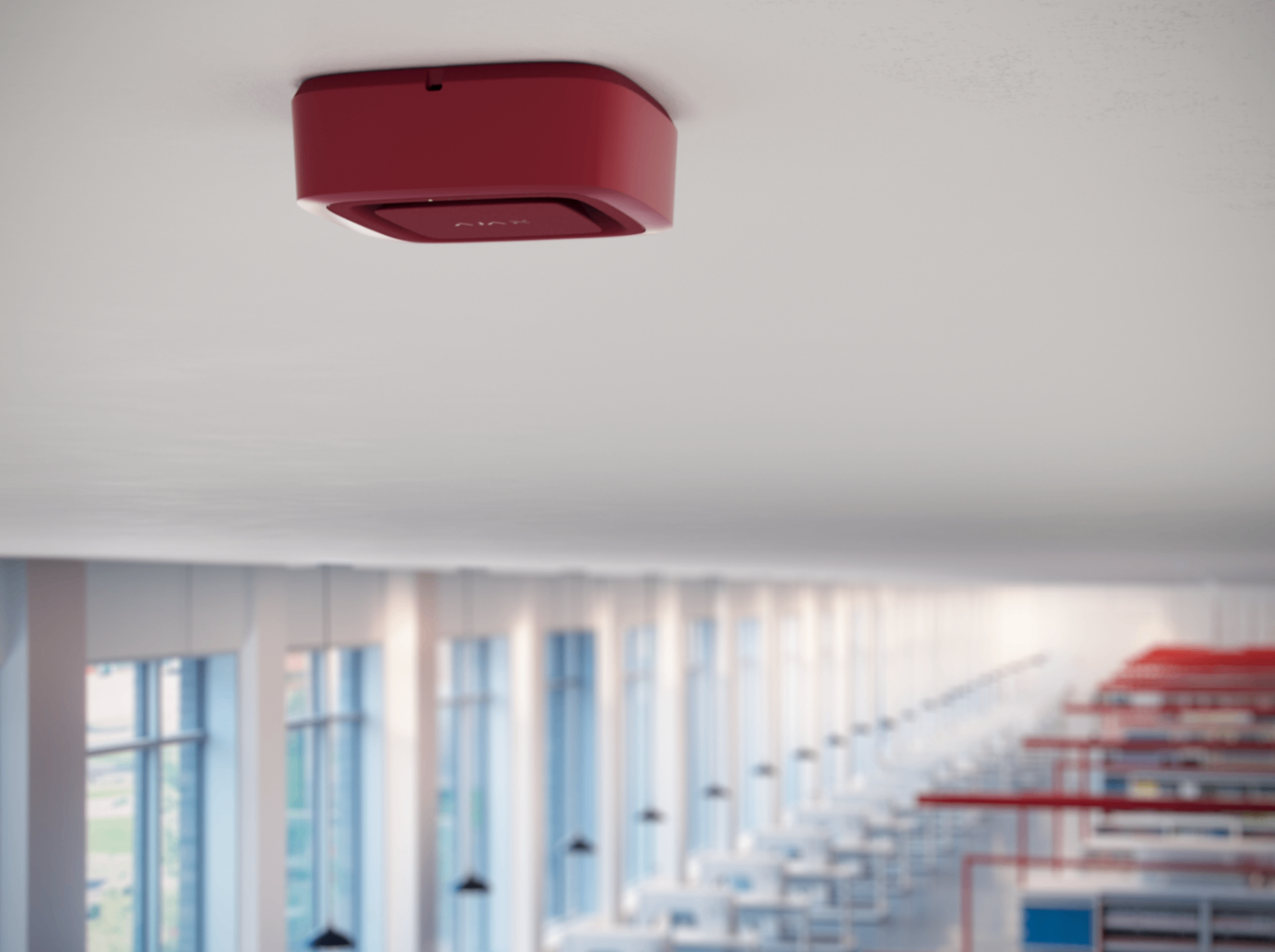
Strategic Steps to Compliance
Transitioning to a BS 5839-1:2025 compliant system doesn't have to be an overnight upheaval. We recommend a phased, strategic approach:
- Gap Analysis & Risk Assessment: Begin with a professional fire risk assessment to identify where your current system fails to meet the 2025 criteria.
- Compatibility Audit: If you are extending an existing system, we must verify that new wireless devices will communicate correctly with your legacy hardware.
- Digital Zone Mapping: Ensure your site has an updated, digital zone plan as required by the new standard. This is mandatory for any multi-zone premises.
- Professional Commissioning: Every wireless system must be commissioned by a competent person who can provide the necessary certification to prove the system functions under the new timing and signal requirements.
Why Businesses Choose GRB Compliance Services
We represent a departure from the "install and forget" mentality. Our role is that of a long-term safety partner. From the initial consultation through to ongoing maintenance, we provide the end-to-end service required to keep your business safe and compliant.
With trusted partnerships involving major entities like HSBC and United Biscuits, we have proven our ability to handle high-stakes environments. Our technical depth allows us to translate complex regulations like BS 5839-1:2025 into actionable, simple solutions for our clients.
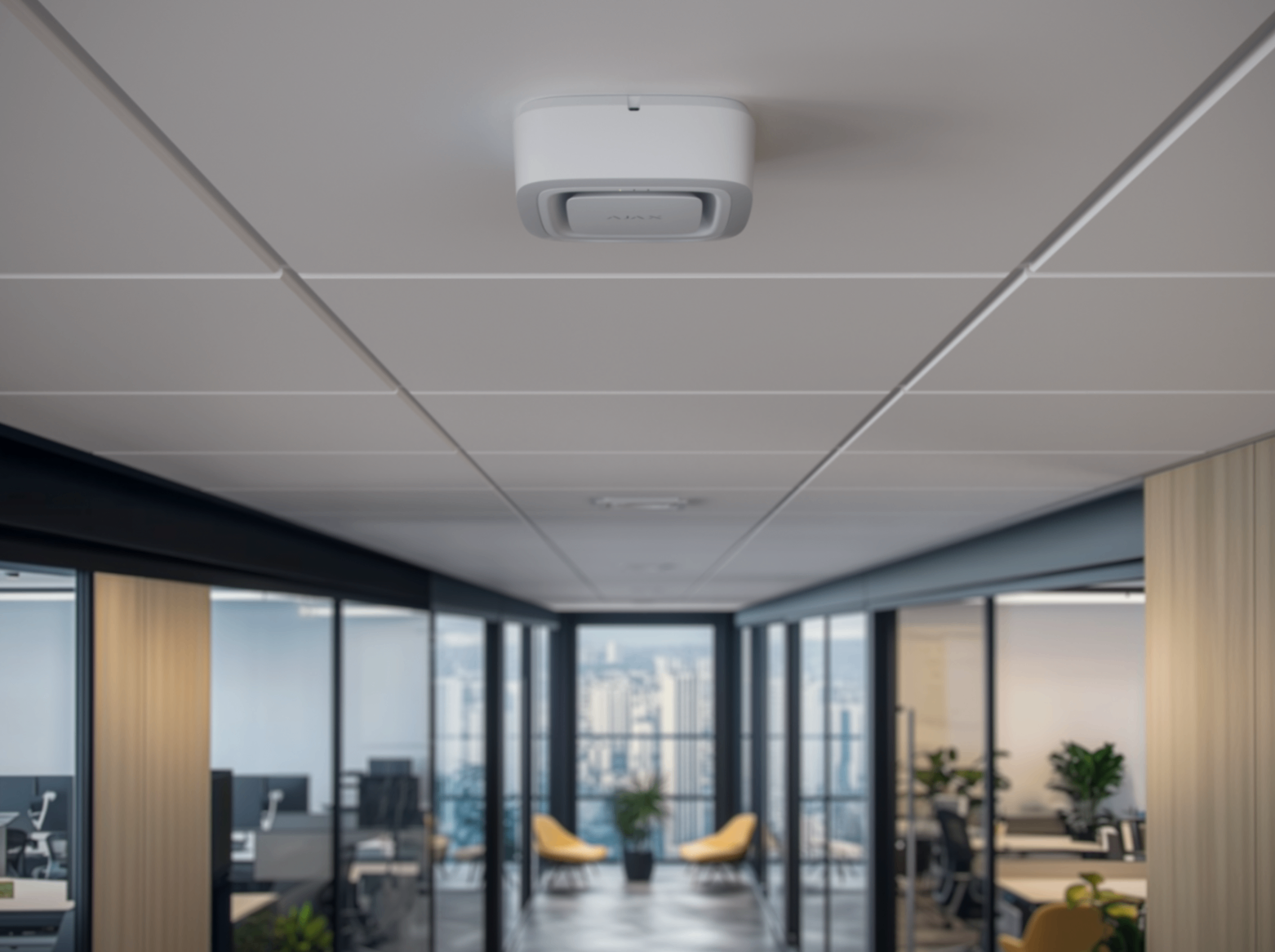
Key Takeaways for 2026
- Wireless is the Standard: Modern wireless systems like Ajax are no longer "alternatives": they are the high-performance choice for avoiding business disruption.
- Update Now, Don't Wait: The BS 5839-1:2025 standard is now in full effect. Any modification or extension to your system must comply with these latest requirements.
- Competence Matters: The new regulations place a heavy emphasis on the competence of the installer. Ensure your provider is fully certified and understands the nuances of component compatibility.
- Focus on Documentation: Digital records and accurate zone plans are now mandatory, not optional.
Is your current fire safety system leaving you exposed to risk or regulatory failure?
Contact GRB Compliance Services today for a technical consultation. Let us solve your compliance challenges without the cabling nightmare.