
The regulatory landscape for fire safety in the United Kingdom has undergone a seismic shift. As of 2026, the era of the dusty paper logbook tucked away in a manager’s drawer has officially ended. For the Responsible Person (RP): typically the business owner, landlord, or facilities manager: the burden of proof regarding fire safety compliance has never been more stringent.
Following the implementation of Section 156 of the Building Safety Act 2022, and subsequent technical updates, the focus has moved from simple compliance to demonstrable competence. In the modern commercial environment, particularly across the industrial and retail hubs of Yorkshire and Lancashire, simply having a fire alarm is no longer enough. One must prove it is maintained, audited, and managed by competent individuals.
The Evolving Duty of the Responsible Person
Under the Regulatory Reform (Fire Safety) Order 2005, the Responsible Person holds the ultimate legal accountability for the safety of occupants. However, 2026 standards require a more proactive approach to documentation. The core challenge lies in the transition from physical records to a "Golden Thread" of digital information that ensures transparency and immediate accessibility for fire authorities.
Critical Documentation Challenges in 2026
- Fragmentation of Records: Many businesses across the North of England still struggle with fragmented data, where fire risk assessments, maintenance logs, and training records are stored in disparate formats.
- Proof of Competence: It is now a mandatory requirement to record the identity and qualifications of any individual or organisation engaged to undertake or review a Fire Risk Assessment (FRA).
- Real-Time Data Requirements: In the event of an audit or an incident, the Fire and Rescue Service expects immediate access to digital logs, which many legacy systems cannot provide.
- Handover Protocols: When a building changes hands or a new tenant arrives, the RP must ensure a complete and digital transfer of all fire safety information to the incoming party.
The Shift Toward Digital Documentation and Cloud Integration
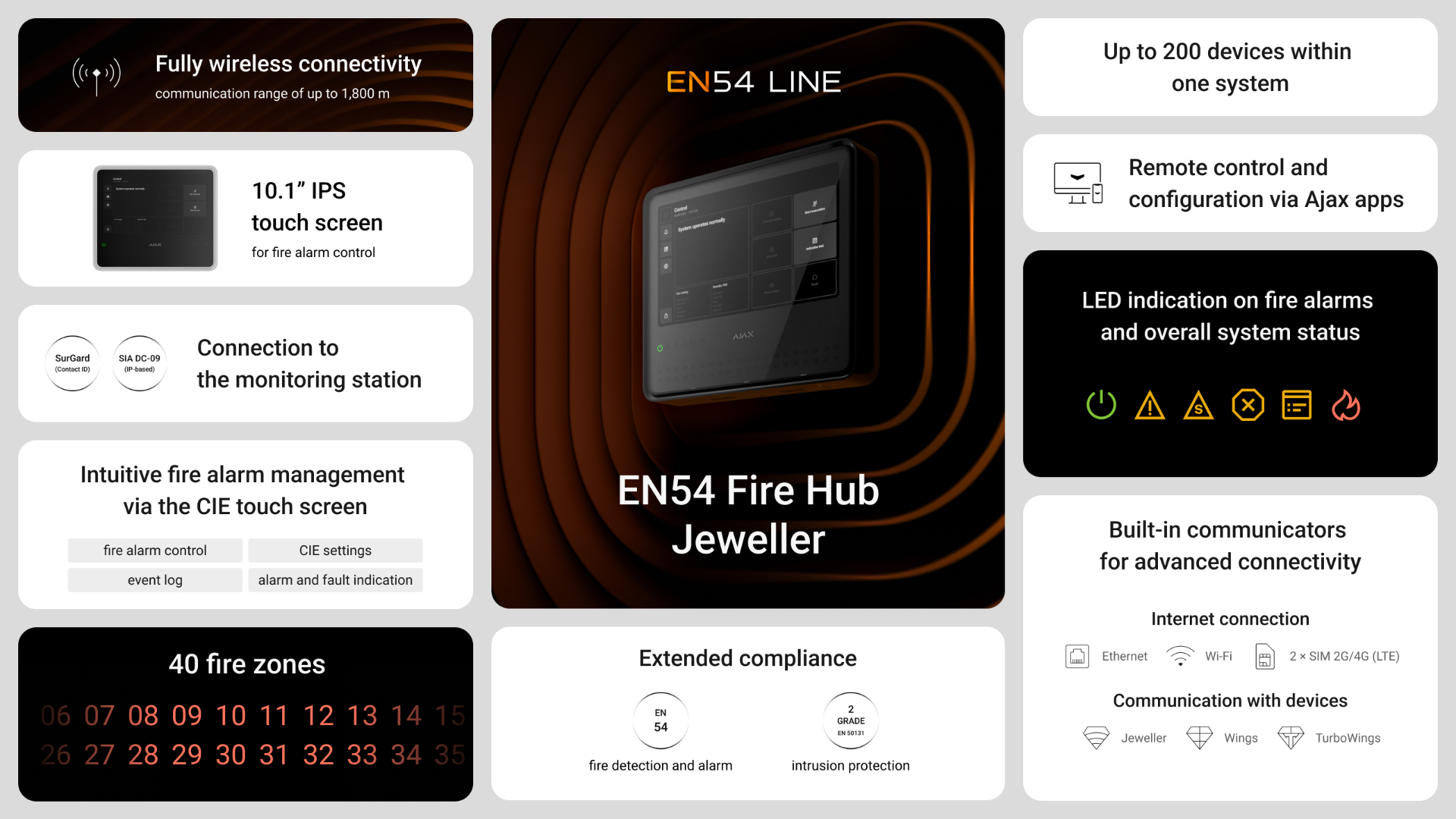
The solution to the "Responsible Person’s burden" lies in the adoption of integrated, cloud-based safety systems. Modern hardware, such as the Ajax wireless fire alarm systems installed by GRB Compliance Services, provides more than just detection; they serve as the foundation for digital record-keeping.
1. Automated Digital Logbooks
Gone are the days of manual entries for weekly bell tests. Advanced systems like the Ajax FirePoint and Jeweller series automatically log every test, fault, and activation. This data is stored in the cloud, providing a permanent, tamper-proof record that satisfies the most rigorous EN 54 and BS 5839-1 audits.
2. Remote Monitoring and Maintenance
Cloud-based monitoring allows the RP to oversee multiple sites: whether a retail unit in Leeds or an industrial warehouse in Preston: from a single interface. These systems provide real-time alerts to mobile devices, ensuring that faults are identified and rectified before they lead to a compliance failure.
3. Demonstrable Competence in Installation
When an RP chooses a partner like GRB Compliance Services, they are securing demonstrable competence. Every installation and commissioning certificate is digitised and linked to the building's safety profile. This ensures that when the RP is asked to provide the name and credentials of their fire safety provider, the information is readily available and backed by over 20 years of industry experience.
Implementing a Compliance Framework for 2026
For businesses in the commercial and industrial sectors, managing fire safety documentation requires a structured framework. The following steps are essential for any Responsible Person looking to mitigate risk and ensure legal compliance.
Step 1: Conduct a Comprehensive Digital Audit
The transition must begin with a review of existing records. Any paper-based Fire Risk Assessments should be digitised. The RP must ensure that the "significant findings" and the full scope of the assessment are documented and accessible.
Step 2: Verify the Competence of Your Partners
Under the current UK regulations, the RP must be satisfied that their fire safety contractor is competent. This involves:
- Checking for third-party accreditations.
- Verifying experience in specific sectors (e.g., retail vs. industrial).
- Ensuring the contractor can provide digital records for all maintenance activities.
Step 3: Upgrade to Integrated Wireless Technology
Wireless fire alarm systems, particularly those from Ajax, offer a significant advantage for retrofitting existing commercial buildings. They allow for rapid installation with minimal disruption to business operations. Features such as the Ajax Hub 2 allow for the integration of fire detection, intrusion security, and emergency lighting monitoring into a single, compliant digital ecosystem.
Step 4: Establish a Real-Time Reporting Cycle
In 2026, waiting for an annual service visit to discover a system fault is unacceptable. The RP should implement a system that provides real-time status updates. This proactive approach ensures that the building remains compliant 365 days a year, rather than just on the day of the inspection.

Regional Expertise: Serving Yorkshire and Lancashire
GRB Compliance Services has established itself as a trusted partner for businesses across the North. From managing the fire safety requirements for major retailers to securing heavy-duty industrial sites, the regional context is vital.
In areas like Manchester, Liverpool, and Sheffield, the density of shared commercial premises requires a high level of cooperation between different Responsible Persons within the same building. Our consultative approach ensures that all duty holders are aligned, and that documentation is shared appropriately to comply with Section 156 requirements.
The Role of Wireless Technology in Retail and Commercial Units
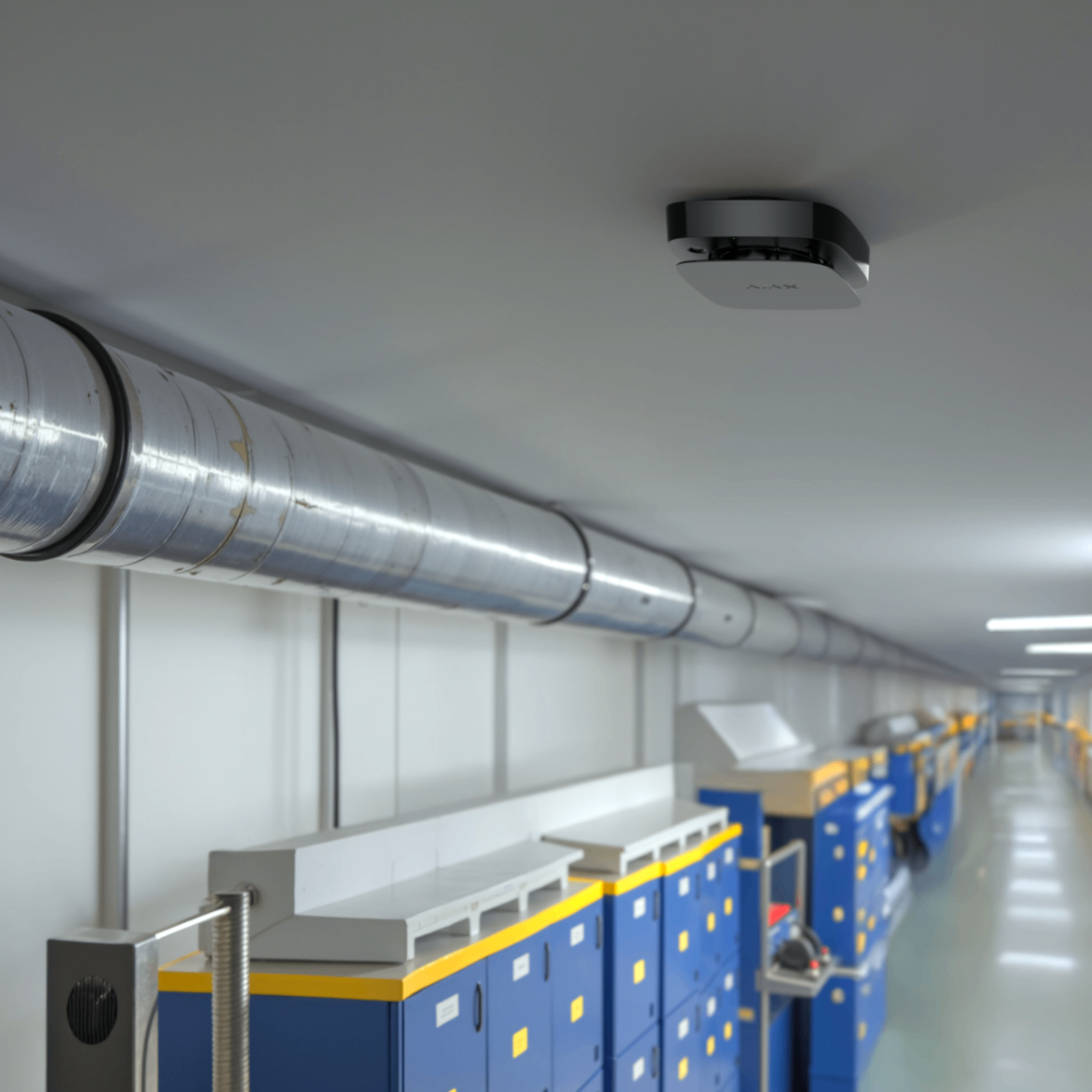
Retailers, in particular, benefit from the aesthetic and functional advantages of wireless systems. The Ajax wireless sounders and smoke detectors (available in both white and black finishes) ensure that safety does not compromise the customer experience. More importantly, the speed of installation ensures that high-street businesses can upgrade their compliance standards without the need for extensive cabling or structural work that could trigger further building regulations.
Conclusion: Reducing the Stress of the Responsible Person
The role of the Responsible Person is undeniably complex, but it does not have to be overwhelming. By embracing the digital shift and partnering with technical experts, business owners can transform fire safety from a source of stress into a streamlined, automated part of their operations.
Moving into the remainder of 2026, the focus will continue to intensify on the Golden Thread of information. Those who adapt now by implementing cloud-based systems like Ajax and ensuring their documentation is robust and digital will find themselves well-protected against both fire risks and legal liabilities.
Key Takeaways for Business Owners
- Digital is Mandatory: Paper logbooks are no longer sufficient for modern compliance audits; move toward automated, cloud-based record-keeping immediately.
- Competence Must Be Proven: Ensure your fire safety provider, such as GRB Compliance Services, has the documented expertise and 20+ years of experience to back your safety claims.
- Section 156 Compliance: Be prepared to share full digital Fire Risk Assessments with residents and incoming Responsible Persons as per legal requirements.
- Wireless Flexibility: Utilise high-end wireless systems like Ajax for fast, compliant, and non-disruptive upgrades to existing premises.
- Local Support Matters: Partner with a provider that understands the specific industrial and commercial challenges of the Yorkshire and Lancashire regions.
For more information on modernising your fire safety documentation or upgrading to a wireless Ajax fire alarm system, contact the experts at GRB Compliance Services.