
For business owners and facilities managers across Yorkshire and Lancashire, fire safety often feels like a moving target. Legislation shifts, standards are updated, and the pressure to remain compliant under the Regulatory Reform (Fire Safety) Order 2005 never truly dissipates. At the heart of this regulatory framework is BS 5839-1, the British Standard that dictates how fire detection and fire alarm systems in non-domestic premises should be designed, installed, commissioned, and: most importantly: maintained.
In recent years, the industry has adopted a critical concept known as the 'Golden Thread' of compliance. This isn't just a buzzword; it is a fundamental requirement for modern building safety. It refers to a digital or physical trail of information that tracks a building’s safety data from the initial design phase through its entire lifecycle. If your maintenance records are patchy, your 'Golden Thread' is broken, leaving you legally exposed and your staff at risk.
At GRB Compliance Services, we’ve spent 20 years helping commercial, retail, and industrial clients navigate these complexities. This guide breaks down exactly what you need to do to keep your fire alarm system compliant, functional, and fully documented.
The Foundation: BS 5839-1 and Legal Obligations
Under the Regulatory Reform (Fire Safety) Order, the 'Responsible Person' for a premises is legally required to ensure that the fire alarm system is maintained in an efficient state, in efficient working order, and in good repair.
Failure to adhere to BS 5839-1 standards doesn't just result in a failed inspection; it can lead to heavy fines, imprisonment in cases of extreme negligence, and the total invalidation of your business insurance. If a fire occurs and you cannot produce a documented history of professional maintenance, your insurer has every right to walk away.
Understanding the 'Golden Thread' in Practice
The 'Golden Thread' is essentially your defensive shield. In practical terms, it involves:
- Consistent Records: A meticulously kept fire alarm logbook that records every test, fault, and service visit.
- Regular Testing: Demonstrable proof that weekly user tests and professional periodic inspections have occurred.
- Professional Servicing: Certificates of service issued by competent, qualified engineers.
- System History: A clear understanding of changes made to the system over time, including additions of new detectors or software updates.
Maintaining this thread ensures that at any given moment, an inspector or fire officer can see a continuous history of safety. For businesses in high-stakes environments like industrial warehouses or busy retail hubs, this level of transparency is non-negotiable.
The 2025 Update: What Has Changed?
The recent release of BS 5839-1:2025 has introduced several nuances that businesses need to be aware of. While the core principles remain, there are specific updates designed to make maintenance more practical while tightening security:
- The 5–7 Month Window: Previously, six-monthly inspections were strictly interpreted. The 2025 update allows for a "window" of 5 to 7 months between inspections. This provides flexibility for scheduling without technically falling into non-compliance, though we still recommend a strict six-month cadence for consistency.
- Control Panel Clock Accuracy: A minor point with major implications. Engineers must now check and correct the control panel clock at every visit. Why? Because if a fire occurs, the event log must sync perfectly with other security footage or emergency service timelines to reconstruct the incident.
- Removal of Unused Equipment: If a detector is no longer needed (perhaps due to an office layout change), it can no longer be simply "disconnected." The 2025 standard requires the physical removal of the device and its wiring to prevent system confusion.
- Interface Access: All interfaces: such as those controlling fire doors, lift overrides, or plant shutdowns: must be easily accessible for testing. If your engineer can't reach the interface, they can't certify the system.

The Maintenance Schedule: A Step-by-Step Breakdown
To keep your fire alarm system healthy and your business compliant, you must follow a tiered testing regime.
1. Weekly User Testing
This is the responsibility of the business. Every week, a 'Responsible Person' should activate at least one manual call point to ensure the panel receives the signal and the sounders activate.
- Rotation: You should rotate through different call points each week so that over several months, every device is tested.
- Logbook entry: Every single test must be recorded in your fire alarm logbook. No entry equals no test in the eyes of the law.
2. Six-Monthly Professional Inspection
This is where GRB Compliance Services comes in. Every six months, a competent engineer must visit your site to perform a thorough inspection. This involves:
- Testing backup batteries to ensure the system works during a power cut.
- Checking the panel for faults and clearing the event log.
- Inspecting the structural integrity of the wiring and fixings.
- Verifying that the "Golden Thread" of documentation is up to date.
3. Annual Functional Testing
Over the course of a year, 100% of your devices (smoke detectors, heat detectors, sounders, and interfaces) must be functionally tested. This is often split across two six-monthly visits to ensure full coverage without disrupting your business for an entire day.
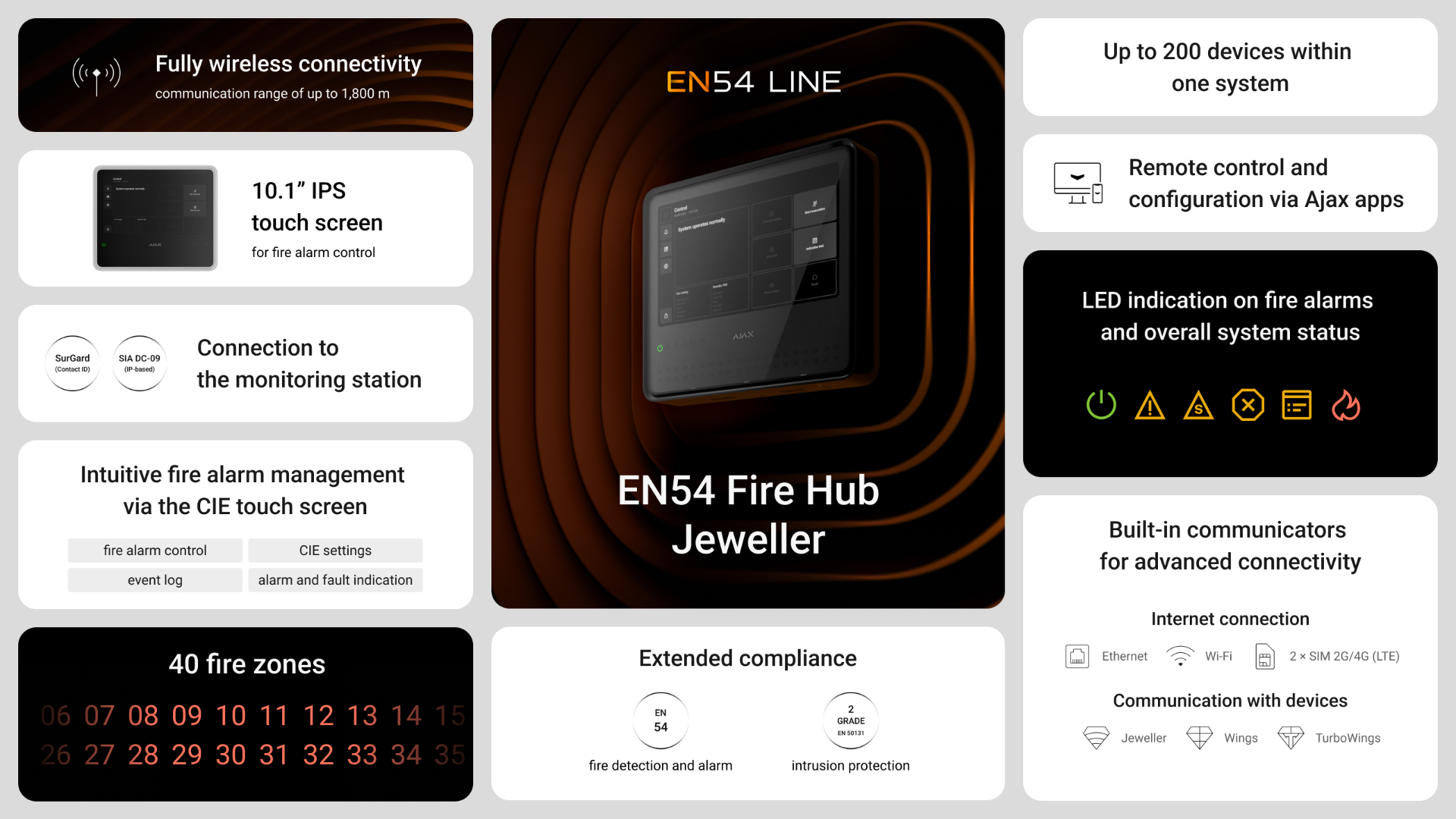
The Shift to Wireless: Ajax Fire Systems
For many retail and commercial businesses, the disruption of running miles of cables for a traditional fire alarm is a significant deterrent. This is why we are seeing a massive shift toward wireless technology.
At GRB, we specialise in the installation and maintenance of Ajax wireless fire systems. Ajax has redefined the market with systems that are not only fully compliant with BS 5839 and EN54 but are also incredibly fast to install.
- Minimal Disruption: No drilling through walls or lifting floorboards in your boutique or office.
- Real-Time Monitoring: Ajax systems provide instant notifications via mobile apps, allowing you to see exactly which detector has been triggered.
- Scalability: As your business grows, adding a new detector is as simple as pairing a device to the Hub.
Whether you are looking for a new installation or need a professional team to take over the maintenance of your existing wireless setup, our fire alarms page provides more detail on how we can help.
Common Compliance Pitfalls
In our 20 years of operation across Yorkshire and Lancashire, we see the same mistakes repeated. Avoiding these will save you money and keep you on the right side of the law:
- Neglected Fire Doors: A fire alarm is useless if the fire doors it's supposed to release are wedged open or have faulty seals. Maintenance must be holistic.
- Incompetent Servicing: Using a general "handyman" to service a fire alarm is a recipe for disaster. Only use engineers who can demonstrate ongoing CPD and a deep understanding of the latest BS 5839 standards.
- The "Silent" Logbook: A logbook with no entries for six months is a red flag for fire inspectors. It suggests that even the weekly tests aren't being done.
- Unaddressed Faults: Ignoring a "beeping" panel is not just annoying; it’s a sign that a portion of your building might be unprotected.
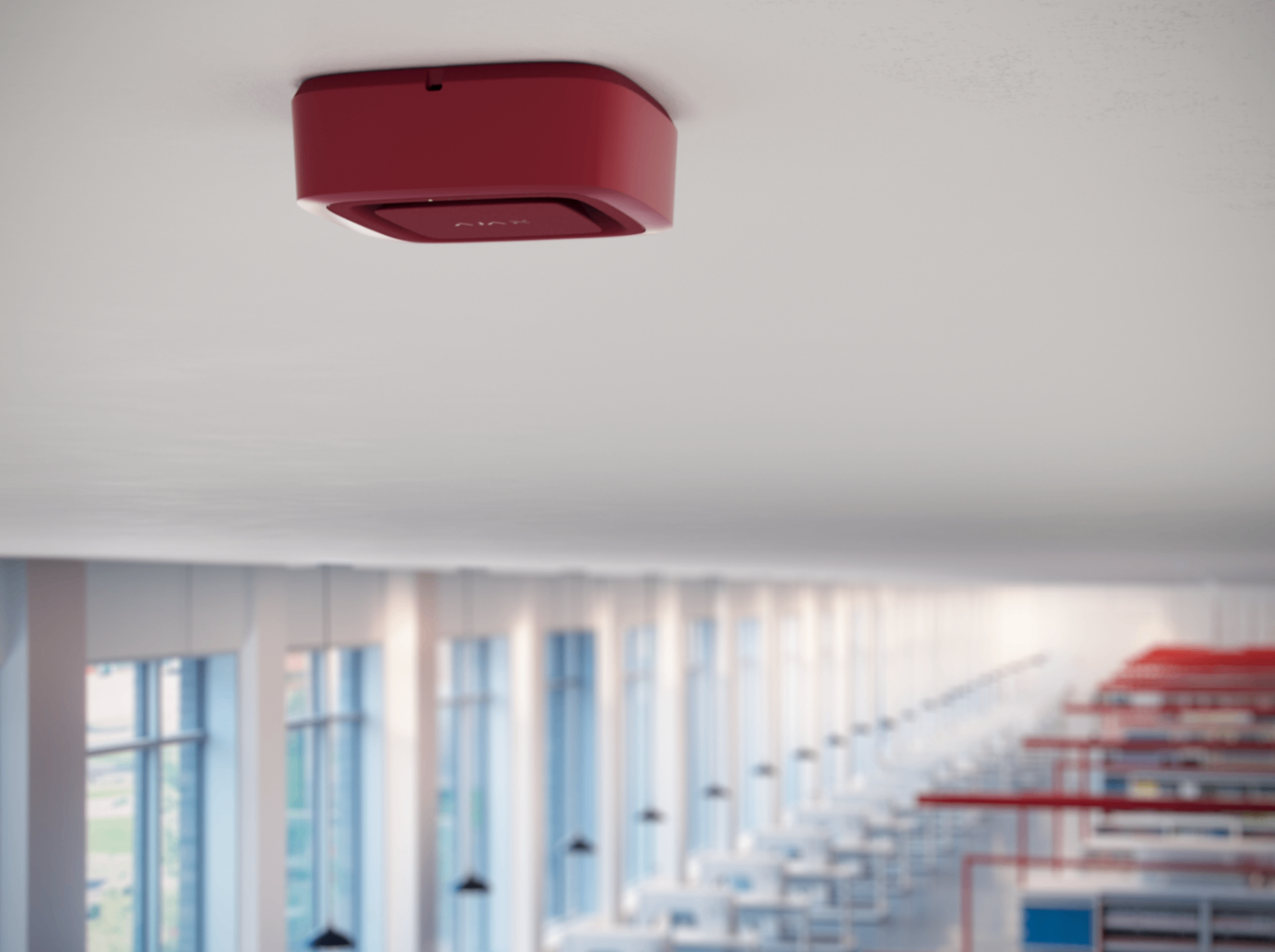
Why Choose GRB Compliance Services?
We understand that fire safety can feel like an administrative burden. Our goal is to take that weight off your shoulders. With fire alarm maintenance pricing starting from just £220/year, we provide a cost-effective way for small businesses and large industrial sites alike to stay legal.
Based in the heart of the North, we cover the entirety of Yorkshire and Lancashire, bringing two decades of technical expertise to every site visit. We don't just "check the boxes"; we ensure your system is optimized for your specific building layout and risk profile.
If you’re unsure whether your current maintenance provider is meeting the new BS 5839-1:2025 standards, or if you’ve recently moved into a new premises and need a fresh start, we invite you to contact us for a straight-talk assessment of your needs.
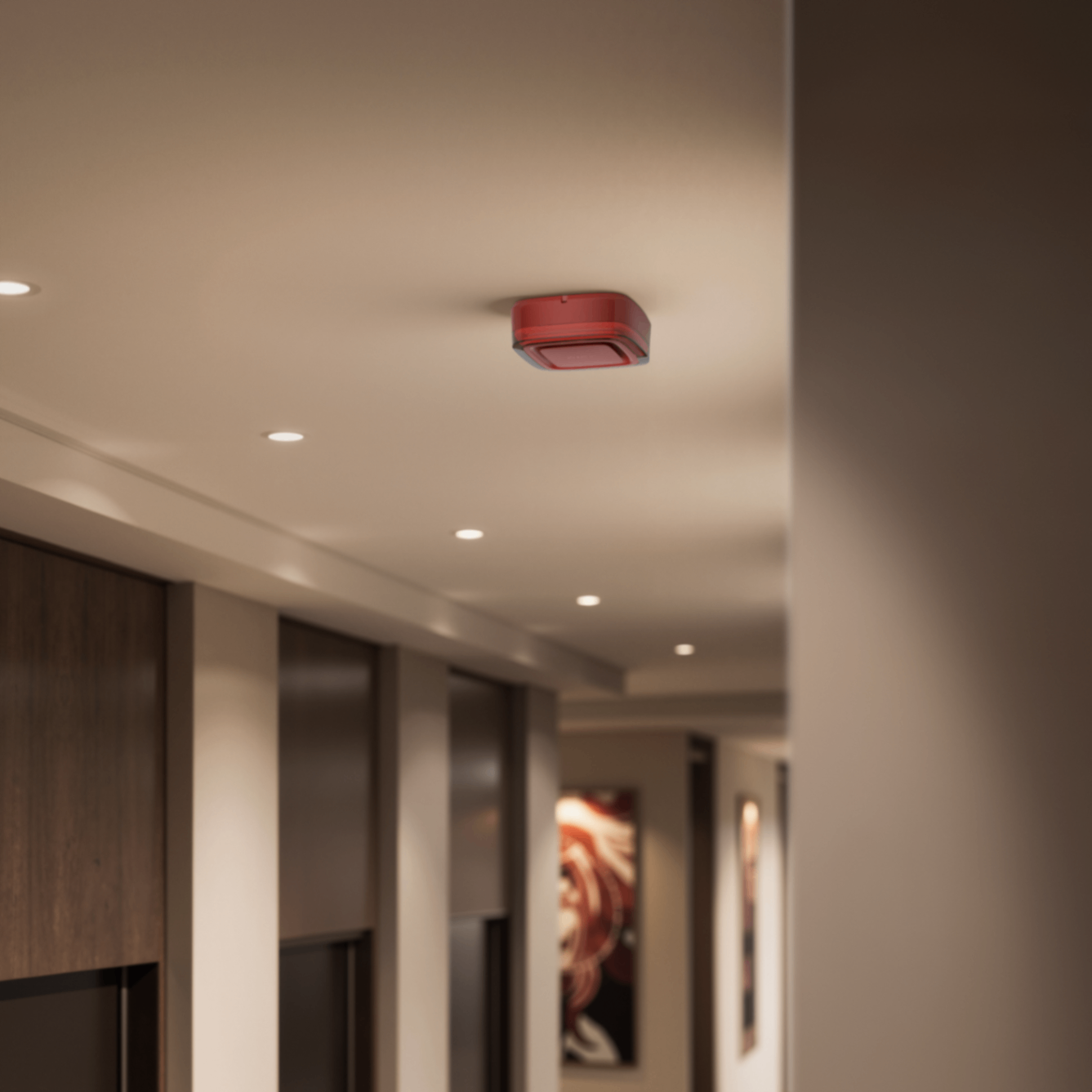
Key Takeaways for Business Owners
- Update Your Knowledge: Ensure your maintenance provider is working to the latest BS 5839-1:2025 standards, particularly regarding clock accuracy and the removal of redundant gear.
- Respect the Logbook: Treat your fire alarm logbook as a legal document. It is the primary evidence for your 'Golden Thread' of compliance.
- Stick to the Schedule: Weekly user tests are non-negotiable. Professional inspections must happen at least every six months.
- Consider Wireless: If you have a complex building or a high-end retail space, look into Ajax wireless systems for a cleaner, faster, and highly compliant solution.
- Check Your Interfaces: Ensure all fire-linked systems (lifts, doors, shutters) are included in your maintenance plan, not just the detectors.
Staying compliant doesn't have to be complicated, but it does have to be consistent. By maintaining the 'Golden Thread,' you protect your business, your people, and your future. For more information on our services, visit our about page or browse our case studies to see how we’ve helped businesses like yours stay safe.