
The landscape of fire safety in the UK is shifting rapidly. As of early 2026, the proliferation of micromobility devices: specifically e-bikes and e-scooters: has introduced a significant new fire hazard into commercial offices, retail units, and Houses in Multiple Occupation (HMOs). While these vehicles are a cornerstone of green transport, the lithium-ion batteries that power them present unique challenges that traditional fire safety strategies were not originally designed to handle.
For property owners, facility managers, and landlords, the critical question is no longer just "Do I have a fire alarm?" but "Is my Fire Risk Assessment (FRA) reflective of the current reality?" If your last assessment was conducted before the recent surge in e-bike adoption, it is highly likely that your building is under-protected against one of the most volatile fire risks in modern history.
The Science of Thermal Runaway: Why E-Bike Fires Are Different
Unlike traditional fires started by electrical faults or naked flames, lithium-ion battery fires are chemical events. When a battery cell fails: due to physical damage, overcharging, or the use of incompatible chargers: it can enter a state known as thermal runaway.
In this state, the battery undergoes an internal chemical reaction that generates its own oxygen and heat. This leads to several catastrophic outcomes:
- Rapid Escalation: A battery can transition from a small "hiss" to a full-blown inferno in seconds.
- Extreme Temperatures: These fires burn significantly hotter than standard office fires, often exceeding 700°C.
- Toxic Vapour Clouds: Before ignition, failing batteries release a "white cloud" of flammable and highly toxic gases, including hydrogen cyanide and carbon monoxide.
- Re-ignition Risks: Even after the visible flames are extinguished, the chemical energy remaining in the cells can cause the battery to re-ignite hours or even days later.
For commercial premises, this means that a single e-bike charging in a corridor or under a desk can compromise an entire floor's fire integrity before a standard detection system has even triggered an alarm.
The Gap in Existing Fire Risk Assessments (FRA)
Under the Regulatory Reform (Fire Safety) Order 2005, and more recent updates in 2025, the "Responsible Person" is legally required to ensure the FRA is kept up to date. Many older assessments focus on fixed installations and general occupancy risks but fail to account for the "dynamic load" of lithium-ion batteries brought into the building by staff or tenants.
Key areas where traditional assessments often fall short include:
- Designated Charging Areas: Many buildings lack a specific, fire-rated area for charging. Without clear guidance, users will charge devices in high-risk areas like escape routes or near combustible materials.
- Power Loading: Most office ring mains were not designed to handle the simultaneous high-current draw of multiple e-bike batteries, leading to overloaded circuits and increased fire risk.
- Escape Route Obstruction: In HMOs, hallways are frequently used as storage for e-bikes. If a battery ignites in a hallway, the primary means of escape is immediately blocked by intense heat and opaque, toxic smoke.
- Detection Suitability: Standard optical smoke detectors may not provide the early warning required for the rapid gas release associated with battery failure.
Mitigating Risk in HMOs and Shared Residential Spaces
Landlords of HMOs face particular scrutiny. The HMO fire safety standards for 2026 are stringent, and the introduction of e-bikes into shared living environments increases the liability significantly.
To remain compliant and ensure tenant safety, landlords must implement clear policies:
- Prohibition of Charging in Escape Routes: Absolute bans on charging or storing devices in protected corridors or stairwells.
- Visual Inspection Regimes: Regular checks to ensure tenants are using manufacturer-approved chargers rather than cheap, non-regulated alternatives found online.
- Enhanced Detection: Installing interconnected, high-sensitivity detection in areas where bikes might be stored, even if they aren't being charged.
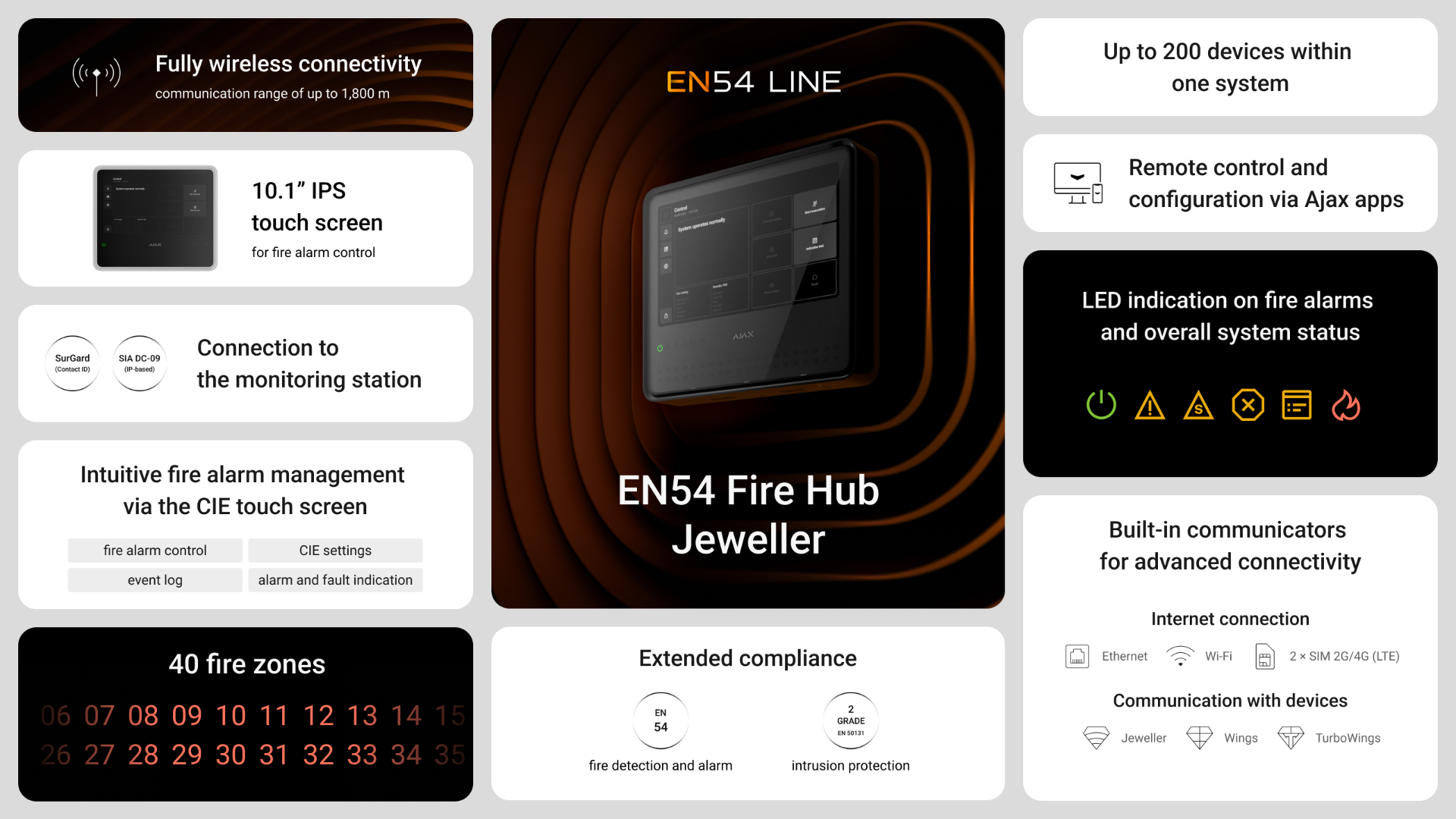
Strategic Fire Detection: The Role of Ajax Wireless Systems
When updating a building to account for e-bike risks, speed and reliability are paramount. GRB Compliance Services specialises in the installation of Ajax wireless fire alarm systems. These systems are particularly effective for retrofitting commercial units and HMOs because they offer:
- Rapid Deployment: No need for extensive cabling or structural disruption, making them ideal for existing offices and listed buildings.
- EN54-2 Compliance: The Ajax Fire Hub Jeweller ensures the system meets the highest UK and European standards for fire safety.
- Real-Time Alerts: Integrated smartphone notifications allow building managers to receive instant alerts if a device detects the specific heat rise or smoke patterns associated with a battery event.
- Interconnected Alarms: If one detector in a charging room triggers, every alarm in the building sounds, providing the vital extra seconds needed for evacuation in a fast-moving lithium fire.
Using wireless fire alarms in busy offices allows for the strategic placement of sensors directly above charging stations without the mess of trunking and wires.
Maintenance and the New BS 5839-1:2025 Standards
A fire alarm is only as good as its last service. With the heightened risk of e-bike fires, the reliability of your system is non-negotiable. The latest BS 5839-1:2025 standards place greater emphasis on the competence of the maintainer and the frequency of testing.
At GRB Compliance Services, we have adjusted our service offerings to ensure maximum compliance for UK business owners:
- Fire Alarm Maintenance: From £220 per year (including two visits), fully compliant with BS 5839-1:2025. This ensures your system is tested, your logbook is updated, and any faults are rectified before they lead to a system failure.
- Emergency Lighting Maintenance: From £180 per visit. This includes the critical 3-hour duration test, ensuring that if a battery fire knocks out the power, your escape routes remain illuminated.
Ensuring your emergency lighting is actually working is a vital part of the fire safety ecosystem, particularly when dealing with the thick, black smoke produced by burning lithium-ion cells.

Actionable Steps for Business Owners and Landlords
To ensure your property is protected and your legal liabilities are covered, consider the following technical recommendations:
- Review the Fire Risk Assessment: Explicitly include "Lithium-ion Battery Charging and Storage" as a hazard.
- Implement a Charging Policy: Mandate that only original manufacturer chargers are used and that charging is prohibited when the building is unoccupied.
- Install Heat and Smoke Detection: Ensure areas designated for bike storage are covered by high-quality detection, such as the Ajax range provided by GRB Compliance Services.
- Verify Maintenance Schedules: Ensure your fire alarm and emergency lighting systems are serviced according to the 2025/2026 standards.
- Staff Training: Educate employees on how to identify the signs of a failing battery (swelling, heat, hissing sounds, or odd smells).
Key Takeaways for 2026 Compliance
- E-bike fires are chemical events: They cannot be fought with standard extinguishers and require extremely early detection to allow for safe evacuation.
- Regulatory Compliance: Your FRA must be updated to reflect the presence of e-bikes. Failure to do so could invalidate your insurance and lead to prosecution under the Fire Safety Order.
- System Integrity: Regular maintenance is the only way to ensure safety. GRB offers BS 5839-1:2025 compliant fire alarm maintenance from £220/year and 3-hour emergency lighting tests from £180/visit.
- Wireless Technology: Ajax systems offer a professional, high-standard solution for retrofitting protection into offices and HMOs with minimal disruption.
The integration of e-bikes into our daily lives is a positive step for sustainability, but it must be matched by a professional approach to fire safety. By updating your risk assessments and maintaining your fire systems to the latest standards, you protect not just your property, but the lives of those within it.
For a professional review of your fire safety systems or to book your next maintenance visit, contact GRB Compliance Services today. We ensure your business stays compliant, safe, and ready for the challenges of 2026.