
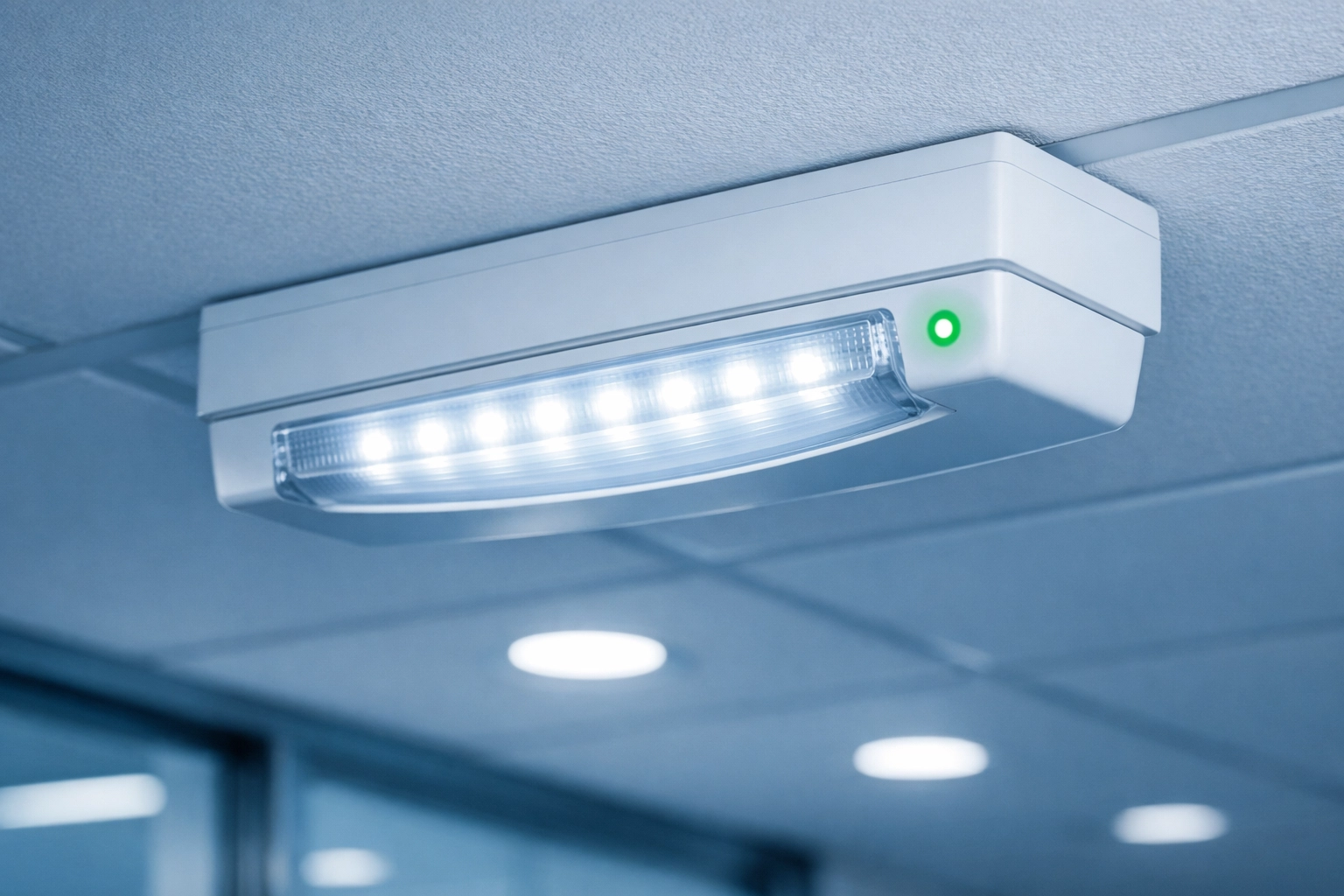
Emergency lighting systems sit silently on ceilings and walls across commercial properties throughout the UK, often ignored until the moment they are desperately needed. Yet when the power fails during an evacuation, these unassuming units become the difference between orderly escape and dangerous confusion. The troubling reality is that many business owners assume their emergency lighting works simply because the green indicators glow: a dangerous misconception that could have serious consequences.
Under the Regulatory Reform (Fire Safety) Order 2005, emergency lighting maintenance is not optional. Property managers and business owners carry legal responsibility for ensuring these systems function correctly when required. The question is not whether emergency lighting should be tested, but whether current testing protocols actually verify operational readiness.
Understanding Emergency Lighting Requirements Under BS 5266-1
Emergency lighting serves a specific purpose within fire safety strategies: providing sufficient illumination to allow safe evacuation when normal lighting fails. This includes exit signs, escape route lighting, open area lighting, and high-risk task area lighting. Each type must remain operational for the system's rated duration: typically three hours for most UK commercial installations.
BS 5266-1, the British Standard for emergency lighting, establishes clear maintenance requirements that extend far beyond visual inspection. The standard mandates two distinct testing protocols, each designed to verify different aspects of system performance. Understanding these requirements is essential for anyone responsible for building safety compliance.

The Monthly Functional Test: Quick but Critical
The monthly functional test, sometimes referred to as the "flick test," requires brief verification that every emergency light activates correctly and produces adequate illumination. This involves either pressing the test button on individual units or simulating mains failure at the circuit breaker. Each light should illuminate immediately at full brightness, confirming that detection circuits, control gear, and lamps function correctly.
Why monthly testing matters:
- Immediate fault detection – Identifies failed lamps, disconnected batteries, or control gear faults before they compromise safety
- Regulatory compliance – Demonstrates due diligence under the Regulatory Reform (Fire Safety) Order
- Battery surface charge verification – Ensures batteries maintain sufficient charge to activate the system
- Documentation trail – Creates evidence of ongoing maintenance for fire safety inspections
The process typically takes three minutes per zone or area, hence the "3-minute test" terminology commonly used within the industry. However, this brief duration only verifies activation: it does not confirm whether batteries possess sufficient capacity to maintain illumination for the full rated duration during an actual emergency.
The Annual Three-Hour Discharge Test: The Real Validation
While monthly tests confirm basic functionality, the annual full-duration test represents the definitive verification of emergency lighting reliability. This test requires operating every emergency light from battery power for the system's full rated duration: three hours for most commercial installations. Only by depleting batteries completely can property managers verify that backup power will actually last through a prolonged evacuation scenario.
Critical assessment points during annual testing:
- Sustained brightness levels – Lights must maintain adequate illumination throughout the entire three-hour period, not just for the first few minutes
- Battery capacity degradation – Units that dim significantly or fail before three hours require immediate battery replacement
- Charging circuit performance – Following discharge, batteries must fully recharge within 24 hours, confirming charging systems function correctly
- Physical condition assessment – Comprehensive visual inspection identifies damage, contamination, or environmental factors affecting performance
This testing protocol reveals problems that brief monthly tests cannot detect. Batteries experiencing capacity loss might illuminate briefly during a flick test but fail completely when required to sustain lighting for extended periods. Such failures have serious implications during real emergencies, particularly in complex multi-occupancy buildings or industrial facilities with extended evacuation routes.
Common Emergency Lighting Failures That Testing Reveals
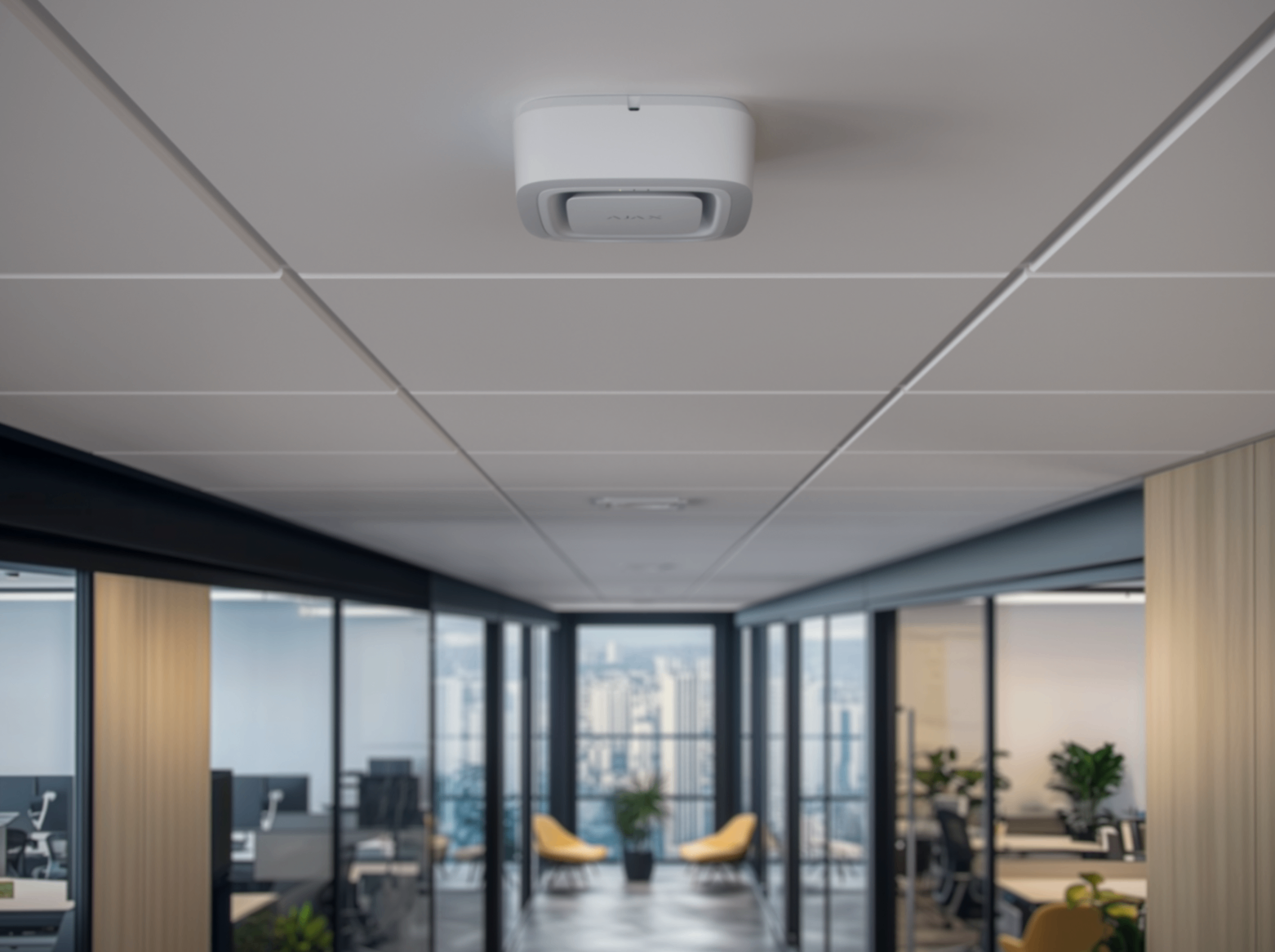
Professional maintenance programmes consistently identify recurring issues that compromise emergency lighting effectiveness across UK commercial properties:
Battery deterioration represents the most common failure mode. Sealed lead-acid and nickel-cadmium batteries typically last 3-5 years under normal conditions, but harsh environments, frequent power interruptions, or inadequate charging circuits accelerate degradation. Annual discharge testing identifies weakening batteries before complete failure occurs.
Lamp failures go unnoticed without regular testing. LED emergency lights offer superior longevity compared to fluorescent or incandescent alternatives, but even LEDs fail eventually. Monthly testing catches these failures immediately rather than discovering them during actual emergencies.
Environmental factors impact performance significantly. Excessive heat, cold, moisture, or vibration affects both battery performance and lamp longevity. Facilities operating in challenging environments require more frequent inspection protocols.
Physical damage or obstruction occurs surprisingly often. Storage items stacked against exit signs, furniture blocking escape route lighting, or damaged diffusers reducing light output all compromise safety. Regular testing coupled with visual inspection identifies these hazards.
The Compliance Challenge for Multi-Site Operators
Organisations managing multiple locations face particular challenges maintaining consistent emergency lighting compliance across their property portfolios. Each site requires monthly and annual testing on schedule, with comprehensive documentation maintained for every location. Missing testing deadlines or failing to address identified faults creates liability exposure and regulatory non-compliance.
Professional maintenance contracts address these complexities by implementing structured testing schedules, maintaining centralised compliance records, and coordinating remedial works efficiently. For organisations operating retail chains, care facilities, educational establishments, or industrial sites, outsourced emergency lighting maintenance provides consistency and accountability that internal facilities teams often struggle to achieve.
Integration with Comprehensive Fire Safety Systems
Emergency lighting operates as one component within broader fire safety strategies. Modern installations increasingly integrate emergency lighting with fire alarm systems, access control, and building management platforms. This integration enables centralised monitoring, automated testing protocols, and coordinated emergency response procedures.
Wireless technology has transformed emergency lighting installation and maintenance possibilities. Self-testing emergency lights equipped with wireless communication capabilities automatically conduct monthly and annual tests, reporting results to central management platforms. These systems dramatically reduce administrative burden while improving compliance consistency: particularly valuable for organisations managing extensive property portfolios.
Professional Maintenance: Beyond Basic Compliance
While property managers can conduct basic monthly functional tests internally, comprehensive emergency lighting maintenance requires specialist expertise. Professional service providers deliver value beyond simple testing compliance:
Technical knowledge ensures correct interpretation of test results and appropriate remedial action. Understanding battery chemistry, charging requirements, and environmental factors affecting performance requires specialist training.
Certification competence provides legally defensible documentation that demonstrates compliance with BS 5266-1 and the Regulatory Reform (Fire Safety) Order. Professional service records prove due diligence during regulatory inspections or following incidents.
Integrated service delivery coordinates emergency lighting maintenance with fire alarm servicing, fire extinguisher inspection, and fire risk assessment updates. This integrated approach ensures all fire safety elements receive consistent attention.
Upgrade recommendations identify opportunities to improve system performance or reduce maintenance requirements through LED retrofits, self-testing units, or wireless monitoring integration.
Documentation and Record-Keeping Requirements
BS 5266-1 mandates comprehensive documentation for all emergency lighting testing activities. Records must include test dates, individual unit identifiers, test results, identified defects, and remedial actions taken. These records serve multiple purposes: demonstrating regulatory compliance, tracking maintenance history, planning equipment replacement, and providing evidence of due diligence.
Effective documentation systems distinguish professional maintenance programmes from inadequate internal protocols. Digital platforms increasingly replace traditional logbooks, offering searchable databases, automated scheduling, compliance dashboards, and simplified reporting for regulatory inspections. For organisations managing multiple sites, centralised documentation platforms provide visibility across entire portfolios.
Taking Action: Establishing Reliable Emergency Lighting Maintenance
Commercial property managers and business owners uncertain about their emergency lighting compliance status should prioritise immediate assessment. Professional compliance audits identify current system status, outstanding testing requirements, and equipment requiring attention. This baseline assessment enables development of structured maintenance programmes aligned with BS 5266-1 requirements.
GRB Compliance Services provides comprehensive emergency lighting maintenance across commercial, retail, industrial, and institutional properties throughout the UK. With expertise spanning fire alarm systems, emergency lighting, and integrated fire safety solutions, GRB delivers the technical knowledge and service reliability that multi-site operators require. Structured maintenance contracts ensure consistent testing schedules, professional documentation, and rapid response to identified faults.
For organisations seeking to verify emergency lighting compliance or establish robust maintenance protocols, professional guidance eliminates uncertainty and reduces liability exposure. The difference between functional emergency lighting and decorative hardware that fails when needed lies entirely in consistent, competent testing and maintenance: not assumptions or superficial inspections.
Emergency lighting exists to protect lives during the most dangerous moments buildings experience. Ensuring these systems actually work when required demands more than hoping green indicators accurately reflect operational readiness. It requires disciplined testing protocols, professional expertise, and unwavering commitment to regulatory compliance: responsibilities that competent property managers and business owners take seriously.