
Most businesses believe they're covered because they have a fire alarm service contract. The reality? Many are one dead battery, one skipped test, or one falsified logbook entry away from a serious compliance breach: or worse, a failed system when it matters most.
Fire alarm maintenance isn't just about ticking boxes. It's about ensuring that when smoke fills a corridor or a detector senses danger, the system performs exactly as designed. Yet across commercial premises throughout the UK, the same avoidable mistakes occur with alarming frequency.
Here are the seven most critical errors organisations make with fire alarm maintenance, and more importantly, how to fix them before they become costly problems.
1. The "Pencil-Whipped" Logbook
The Mistake: The fire logbook shows perfect weekly tests for the past six months. Every single Monday at 9:00 AM. Same signature. Same results. Yet when the annual inspection arrives, three call points don't function, and nobody can recall the last time they actually pressed one.
This is the danger of the pencil-whipped logbook: maintenance records completed on paper without actual testing. BS 5839-1 mandates weekly testing of fire alarm systems, and these records serve as legal documentation. Falsified entries don't just represent poor practice; they constitute fraudulent compliance documentation that could invalidate insurance coverage and result in prosecution following an incident.
The Fix: Implement accountable testing procedures with rotating responsibilities. Modern systems, particularly wireless solutions from manufacturers like Ajax, offer integrated reporting that automatically logs test events with timestamps. For existing systems, consider digital logbook applications that require photographic evidence or GPS verification. Most critically, ensure staff understand that a logbook isn't bureaucracy: it's evidence that duty holders have fulfilled their legal obligations under the Regulatory Reform (Fire Safety) Order 2005.

2. Ignoring the "Chirp of Doom"
The Mistake: That intermittent beep from somewhere in the building. Staff tune it out. Facilities teams promise to "sort it next week." Meanwhile, a detector with a failed backup battery sits silently compromised, unable to function during a mains power failure.
Battery failure represents the single most common cause of fire alarm system malfunction. Backup batteries in conventional systems typically maintain capacity for three to five years before degradation begins. However, many facility managers remain unaware of battery failure until a fault signal appears: or worse, until the annual inspection reveals multiple dead batteries across the estate.
The Fix: Establish a zero-tolerance policy for alarm chirps and fault signals. Any audible warning requires immediate investigation and resolution within 24 hours. Professional pre-planned maintenance (PPM) contracts include regular battery testing and replacement schedules that prevent failures before they occur. For organisations managing multiple sites, centralised monitoring systems provide real-time fault notifications, eliminating the risk that a chirp goes unnoticed or ignored.
3. Skipping Weekly Tests "Just This Once"
The Mistake: Monday was a bank holiday. Tuesday got busy. By Wednesday, the weekly test seemed unnecessary since "nothing's changed" since last week. Three months later, it's become the norm to test "whenever someone remembers."
BS 5839-1 Clause 45.2 explicitly requires weekly testing of fire alarm systems. This isn't a suggestion: it's a regulatory requirement designed to identify faults promptly. A system that functioned perfectly last week may have developed a fault due to contractor work, environmental changes, or component failure. Without weekly testing, these issues remain undetected until the system fails during an actual emergency.
The Fix: Integrate fire alarm testing into operational routines with the same discipline as opening procedures or daily cash reconciliation. Assign responsibility to specific roles and implement management oversight to verify completion. For multi-site operations, digital scheduling systems send automated reminders and flag missed tests to senior management. Remember that "just this once" becomes "just another excuse" remarkably quickly when regulatory compliance is at stake.
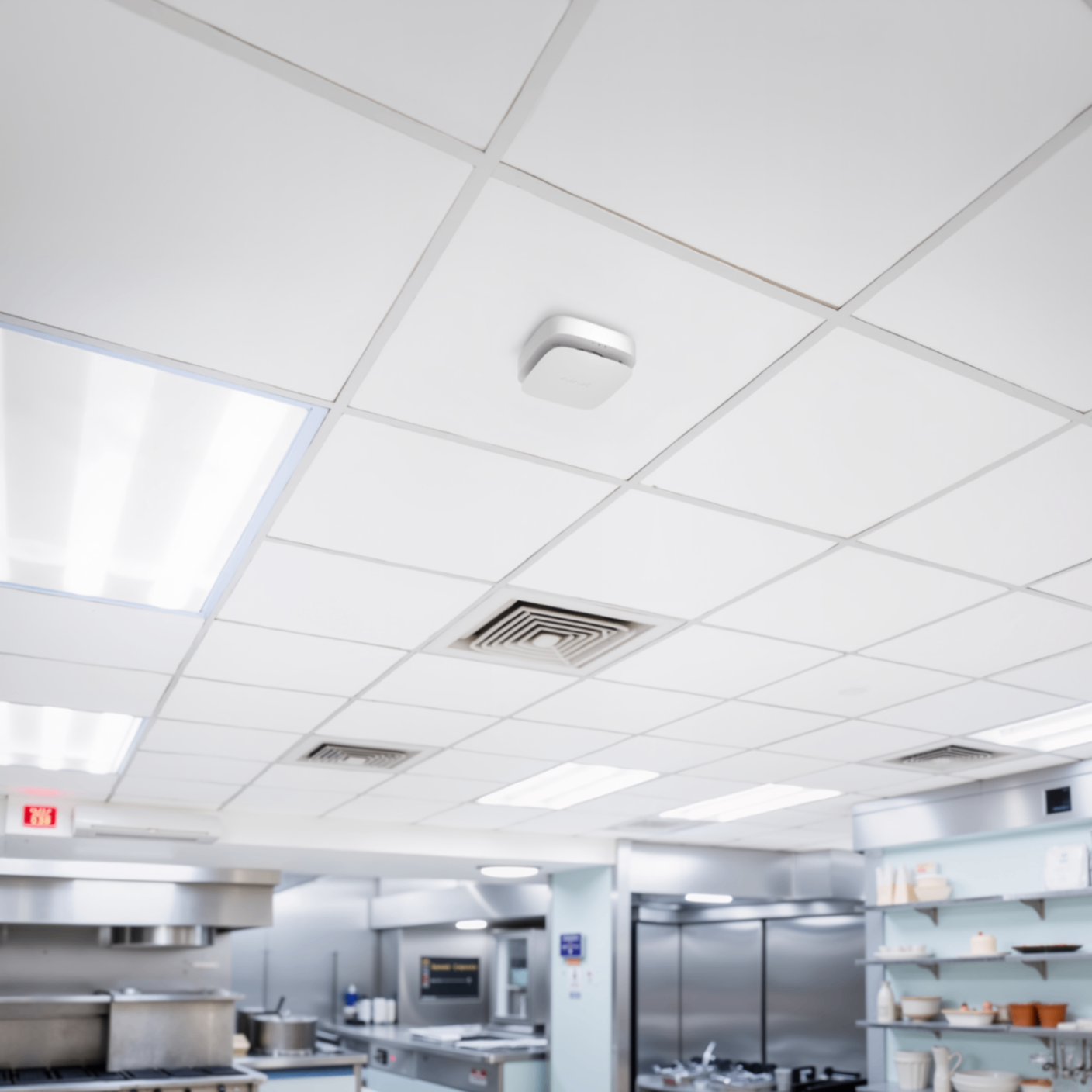
4. Allowing Dust and Debris to Compromise Detection
The Mistake: The building undergoes refurbishment. Contractors generate substantial dust. Once works complete, nobody considers that smoke detectors: designed to sense airborne particles: have spent weeks accumulating contamination that compromises their sensitivity. False alarms begin. Or worse, the detectors fail to activate at appropriate smoke densities.
Optical smoke detectors function by measuring light scatter from smoke particles within a sensing chamber. Dust, dirt, and debris accumulation directly interferes with this mechanism, either causing false alarms through contamination or reducing sensitivity by coating optical components. Manufacturing environments, construction sites, and buildings undergoing renovation face particular risk.
The Fix: Schedule professional cleaning following any building works that generate dust or debris. For routine maintenance, annual detector cleaning should form part of any comprehensive PPM contract. Technicians use manufacturer-approved cleaning methods: never compressed air, which can damage sensitive components or drive contamination deeper into the sensing chamber. In particularly challenging environments such as commercial kitchens or industrial facilities, consider more frequent cleaning intervals or specialised detector types designed for harsh conditions.
5. Treating Annual Inspections as Sufficient Maintenance
The Mistake: The annual service certificate arrives, filed away as proof of compliance. Meanwhile, twelve months pass with no meaningful interaction with the fire alarm system beyond silencing false alarms. When the next inspection reveals significant faults, management expresses surprise that "problems developed so quickly."
Annual inspections represent the minimum regulatory requirement, not comprehensive maintenance. They provide a snapshot of system condition on a specific date but cannot address faults that develop between visits. Systems operating in demanding environments: particularly those with older components or complex configurations: require more frequent professional attention.
The Fix: Implement quarterly or bi-annual maintenance visits as part of a structured PPM programme. These interim visits allow technicians to identify developing issues, perform preventative adjustments, and maintain optimal system performance throughout the year. Modern wireless systems like those from Ajax dramatically reduce the maintenance burden through self-monitoring capabilities and remote diagnostics, but professional oversight remains essential for verifying compliance and addressing any issues before they escalate.

6. Neglecting Proper Detector Placement and Environmental Factors
The Mistake: Detectors positioned near air conditioning vents cause frequent false alarms. Sensors installed too close to bathrooms trigger from shower steam. A detector above a busy kitchen door activates whenever someone cooks toast. Rather than address root causes, staff simply acknowledge and silence alarms, breeding complacency and potentially masking genuine emergencies.
NFPA 72 and BS 5839-1 provide explicit guidance on detector placement to minimise false alarms whilst maintaining effective coverage. Detectors require careful positioning away from air currents, high humidity areas, and sources of non-fire-related smoke or vapour. Poor placement decisions during installation create ongoing operational problems and compliance risks.
The Fix: Commission a professional site survey to assess detector placement across the estate. This proves particularly important following building modifications, changes in room usage, or installation of new HVAC systems. In problematic areas, consider alternative detector technologies: heat detectors for kitchens, multi-sensor devices for areas prone to environmental variation, or wireless relocatable solutions that allow optimal positioning without extensive rewiring work.
7. Operating with Outdated or Obsolete Systems
The Mistake: The fire alarm panel shows a date code from the 1990s. Replacement parts require specialist sourcing. Documentation has been lost. Nobody truly understands the system configuration. Yet because it "still works," replacement remains perpetually deferred until either catastrophic failure or an enforcing authority notice forces action.
Fire alarm technology advances continuously. Systems installed twenty years ago lack the diagnostic capabilities, reliability features, and integration options available in modern solutions. More critically, obsolete systems may not fully comply with current BS 5839-1 requirements, particularly regarding cause and effect logic, fault monitoring, and documentation standards. As systems age, finding qualified technicians familiar with legacy equipment becomes increasingly difficult.
The Fix: Conduct a technology audit of fire safety infrastructure. Systems beyond their anticipated service life (typically 15-25 years depending on type and environment) warrant replacement consideration. Modern wireless systems from manufacturers like Ajax offer particular advantages for retrofits: rapid installation with minimal disruption, advanced self-monitoring, and remote management capabilities that dramatically improve ongoing maintenance efficiency. The investment in system replacement often proves less expensive than managing an obsolete system's increasing maintenance costs and operational disruptions.
The Solution: Professional Pre-Planned Maintenance
Each of these mistakes shares a common root cause: treating fire alarm maintenance as a reactive obligation rather than a proactive discipline. The solution lies in comprehensive pre-planned maintenance programmes that prevent issues before they develop into failures, false alarms, or compliance breaches.
Professional PPM contracts provide scheduled maintenance visits, emergency call-out support, detailed record-keeping, and proactive component replacement: all designed to maintain optimal system performance whilst ensuring continuous regulatory compliance. For organisations managing fire safety across multiple sites, partnered maintenance relationships offer consistency, expertise, and accountability that internal facilities teams cannot typically provide.
Fire alarm systems represent the first line of defence in protecting lives and property. They warrant maintenance approached with the same professionalism and rigour as any other critical life safety system. The question isn't whether organisations can afford comprehensive maintenance: it's whether they can afford the consequences of inadequate attention when seconds count and lives hang in the balance.
For more information about professional fire alarm maintenance services and PPM programmes tailored to UK commercial premises, visit GRB Compliance Services or contact the team directly to discuss specific requirements.